Digital Archive and Technical Repository
This repository contains chronological documentation of spatial computing frameworks, digital twin deployment protocols, and algorithmic advertising methodologies. Records are maintained and updated to reflect current industry benchmarks, including 2026 hardware and software iterations.
-

Algorithmic Analysis of Spatial Data: Matterport and Large Language Models
Technical documentation on the integration of ChatGPT with Matterport digital twins. Following CoStar Group's $1.6 billion acquisition of Matterport in February 2025, this document outlines the 2026 enterprise workflow for utilizing Cortex AI to execute automated 3D spatial customization and data extraction.
-

Mobile Hardware Protocols for Spatial Data Capture: iPad Pro Specifications
An engineering analysis of utilizing Apple iPad Pro hardware for Matterport spatial capture. The documentation specifies the requirement of a minimum 16GB unified memory architecture for processing volumetric data and maintaining application stability during enterprise-scale scanning operations.
-

Android OS Deployment for Volumetric Scanning
An overview of the Matterport Capture application architecture on the Android operating system. The deployment enables decentralized spatial documentation utilizing standard smartphone camera hardware, providing a scalable entry point for preliminary digital twin generation prior to LiDAR integration.
-
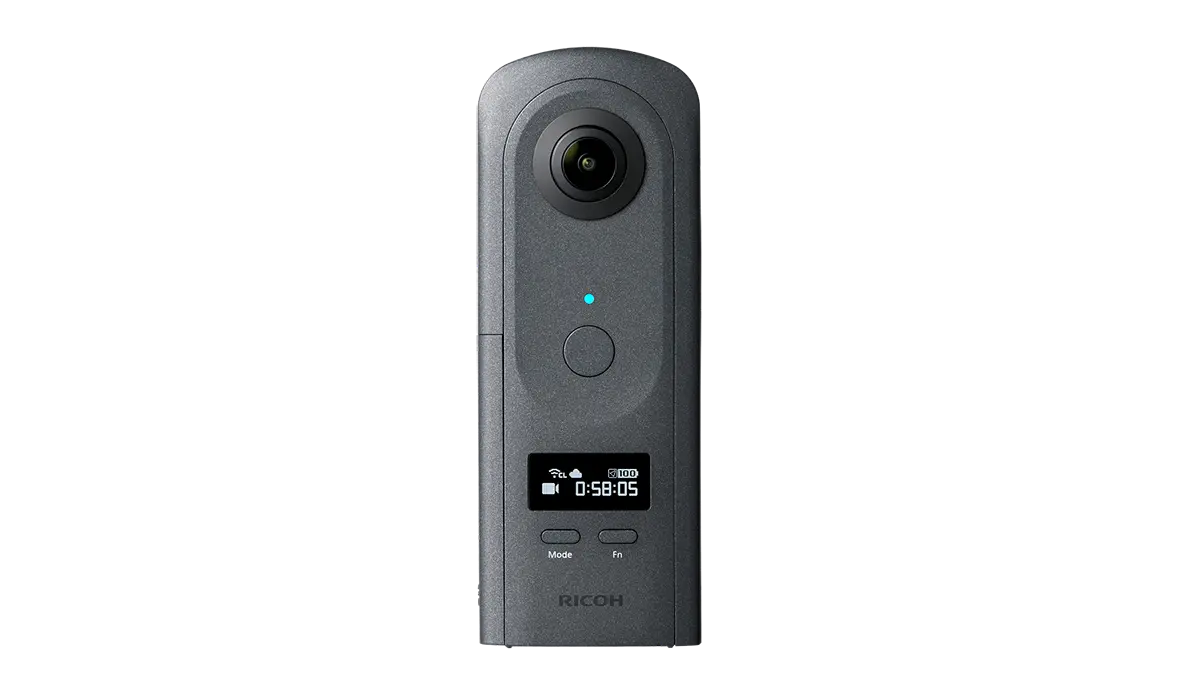
Comparative Analysis of LiDAR vs. Photogrammetry in Spatial Capture
An objective comparison of spatial documentation methodologies. The report differentiates between photogrammetric visual tours generated via omnidirectional cameras and dimensionally accurate digital twins captured via LiDAR-equipped hardware (e.g., Matterport Pro3), which are required for AEC (Architecture, Engineering, and Construction) compliance.
-
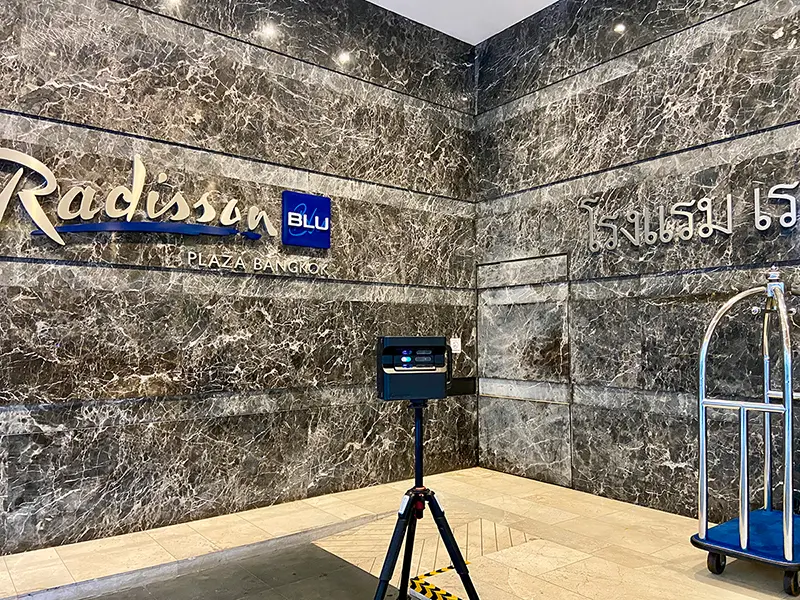
Standard Operating Procedures for Enterprise Spatial Documentation
A procedural framework detailing the end-to-end deployment of Matterport Pro2 and Pro3 hardware for commercial facility documentation. The protocol encompasses pre-deployment site analysis, on-site data capture parameters, and post-processing cloud computational workflows.
-

Extended Reality (XR) and Spatial Computing Resource Index
A curated taxonomy of hardware and software frameworks within the Augmented Reality (AR) and Virtual Reality (VR) sectors. The index tracks the industry transition from tethered VR systems to standalone spatial computing architectures.
-
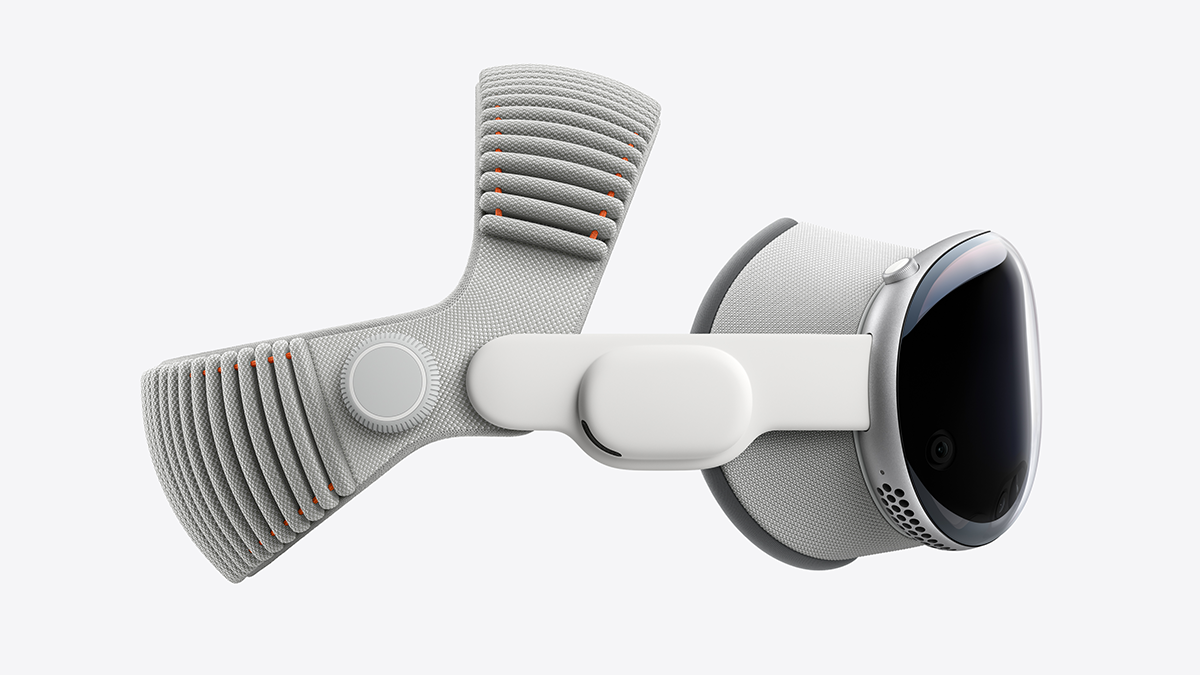
Hardware Analysis: Apple Vision Pro and the M5 Silicon Architecture
Technical analysis of the Apple Vision Pro updated with the M5 processor, announced October 15, 2025. The M5 architecture integrates a 10-core CPU, a 10-core GPU with hardware-accelerated ray tracing, and a 16-core Neural Engine that accelerates AI workloads by up to 50%. The hardware renders 10% more pixels on micro-OLED displays with a 120Hz refresh rate, supporting advanced spatial environments.
-

Algorithmic Bidding Protocols for Google Ad Grants
A deployment guide for non-profit organizations utilizing the Google Ad Grants platform. The documentation emphasizes the technical prerequisite of configuring precise conversion tracking to enable AI-powered Smart Bidding algorithms, a critical requirement for maintaining account compliance and optimizing budget allocation.
-
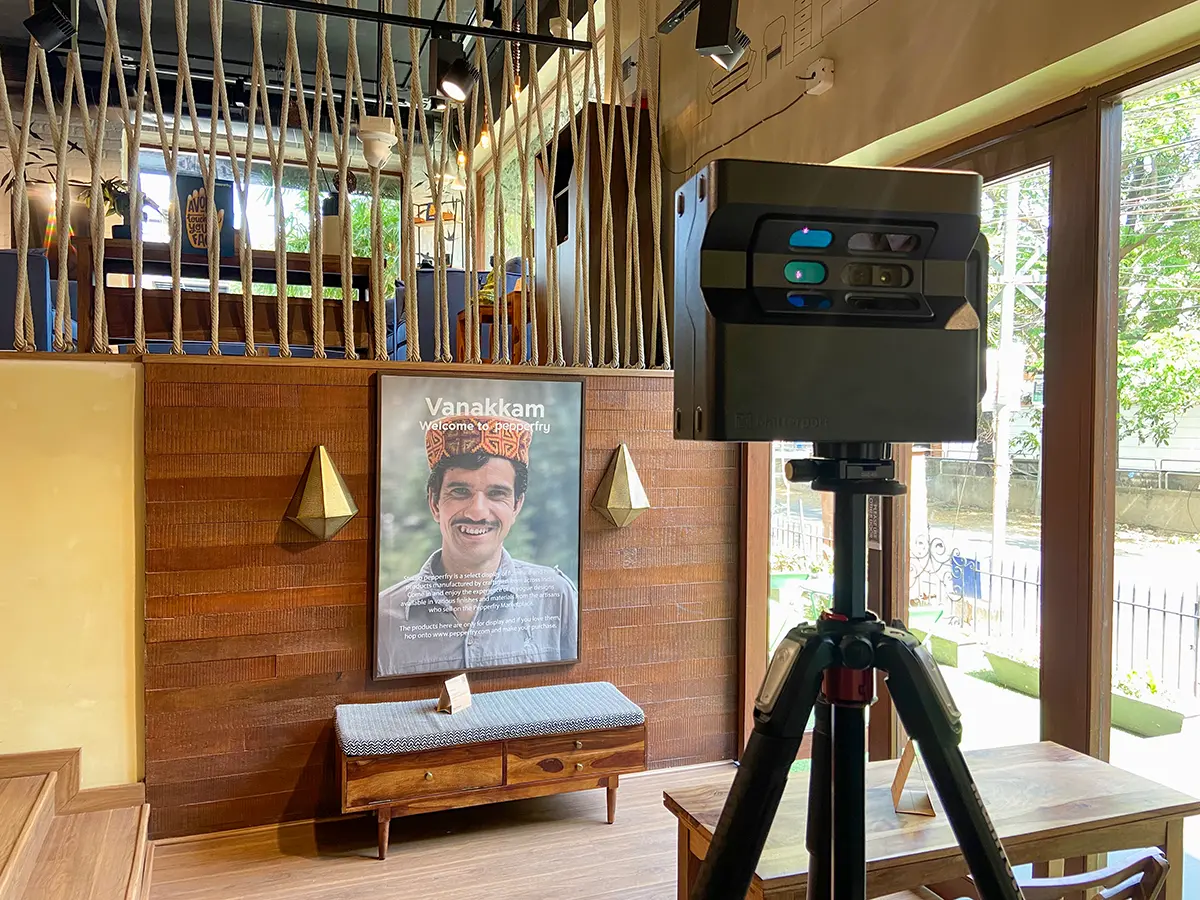
Organizational Evolution: Supply Chain Dynamics and Digital Service Pivot
A corporate history report detailing Adostrophe's strategic realignment. The document outlines the transition from hardware distribution, which was constrained by geopolitical supply chain vulnerabilities, to the provision of enterprise-grade digital services, specifically spatial computing and algorithmic advertising management.
-
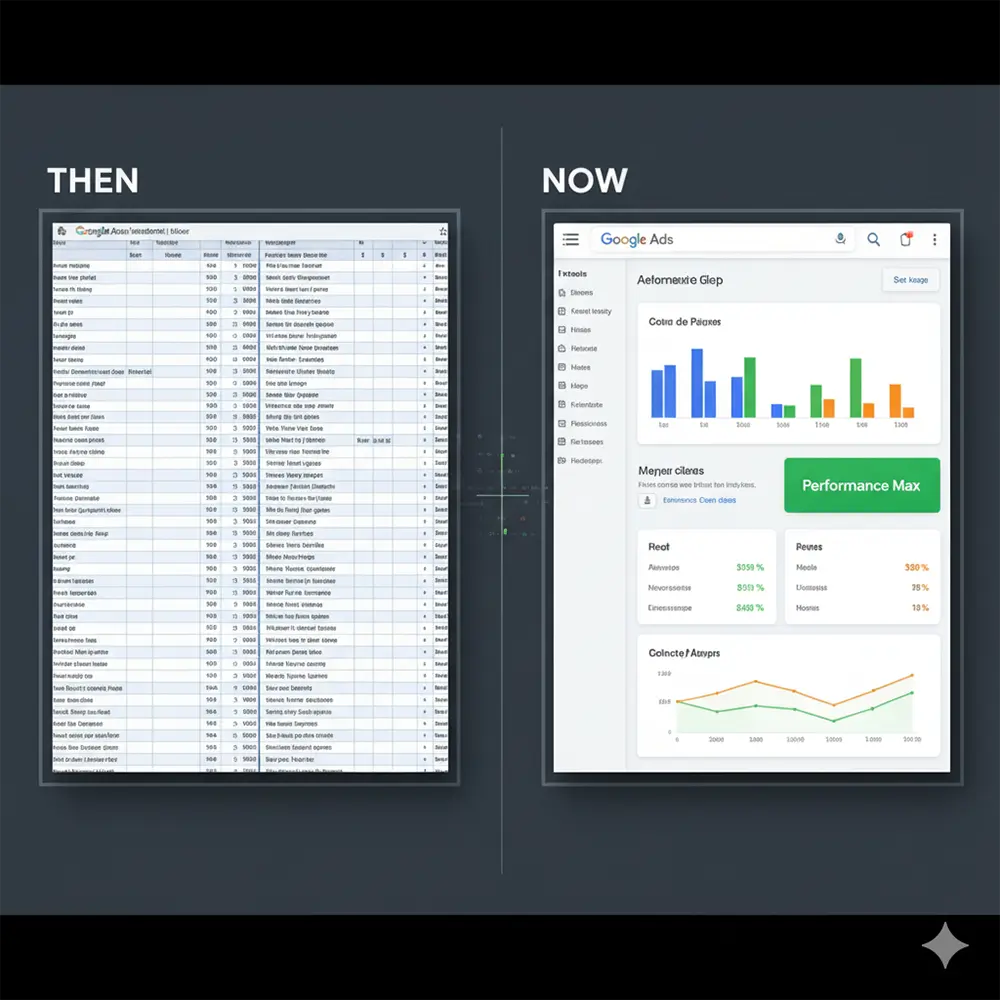
Evolution of Google Ads: From Manual Bidding to AI-Driven Automation
A historical analysis of Google Ads methodologies. The report documents the paradigm shift from manual keyword bidding to automated systems. In 2026, Google Ads relies heavily on Smart Bidding Exploration and AI Max features, which utilize machine learning to dynamically adjust bids and discover new search queries beyond established patterns.
-

Reference Library for Algorithmic Advertising and Data Privacy
A compiled bibliography of authoritative texts and documentation concerning digital advertising frameworks. The repository focuses on materials that address the rapid evolution of machine learning algorithms, platform compliance policies, and international data privacy regulations shaping the 2026 digital ecosystem.
-

Historical Case Study: Competitive Deduplication in Search Advertising (2015)
An archival analysis of aggressive search engine marketing (SEM) tactics utilized during the 2015 Q1 retail cycle. The report details the "competitive deduplication" methodology, a process of cross-referencing competitor keyword matrices to identify and exploit gaps in non-branded search coverage.
-

Historical Case Study: Ancillary Demand Targeting During Macro-Events (2015)
A retrospective report on algorithmic bidding strategies deployed during high-traffic broadcast events. The analysis examines how non-sponsor entities capitalized on secondary search volume spikes (e.g., hospitality, logistics, and retail) generated by the Super Bowl demographic.
-

Historical Case Study: Entity-Based Search Volume Optimization (2014)
An archival review of digital marketing protocols for major cinematic releases. The documentation highlights the necessity of aligning keyword matrices with user intent, demonstrating that aggregate search volume for fictional entities (e.g., "Iron Man") statistically exceeded queries for individual cast members.